Enabling Schools and Trusts to Make Informed Decisions
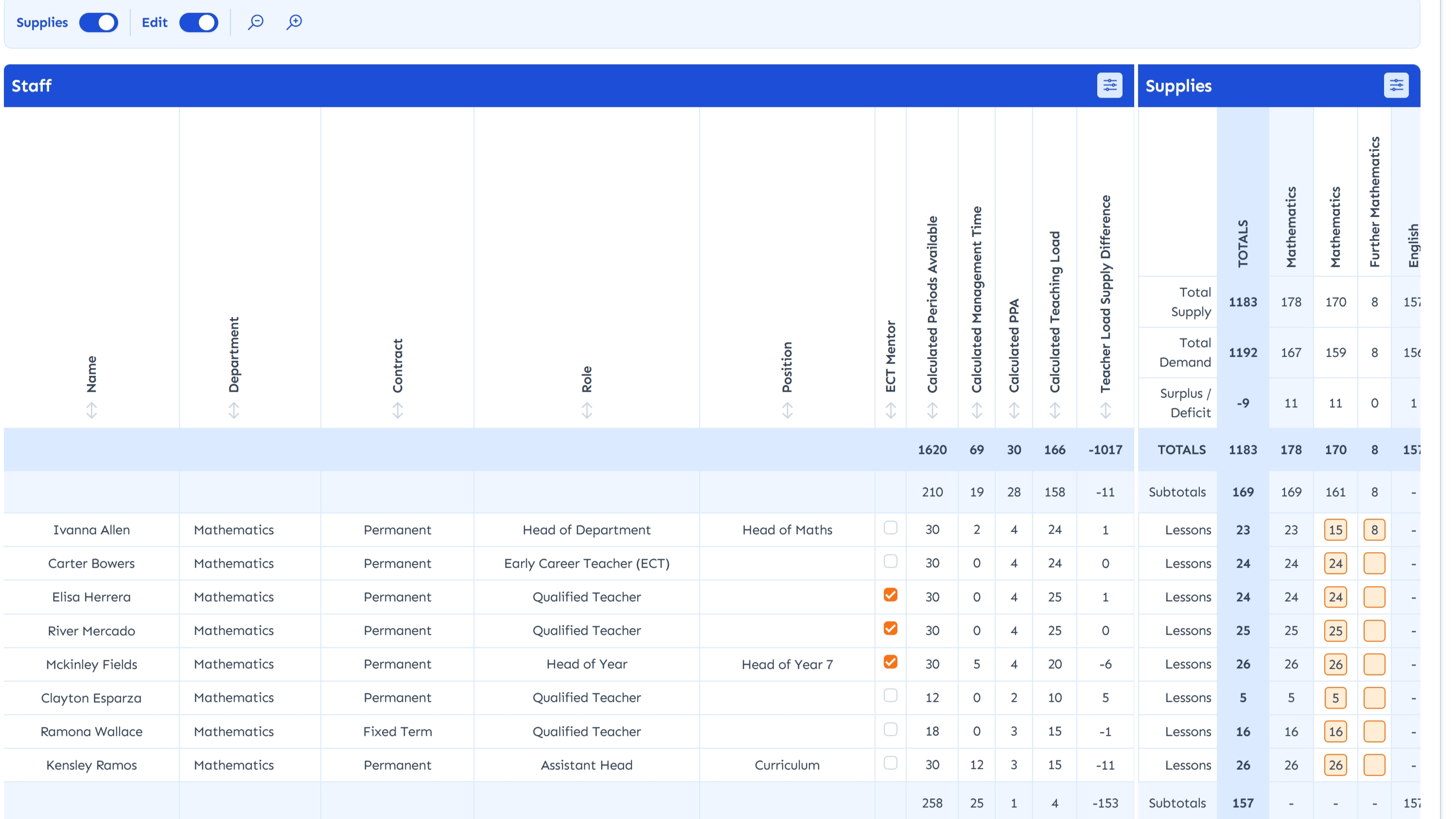
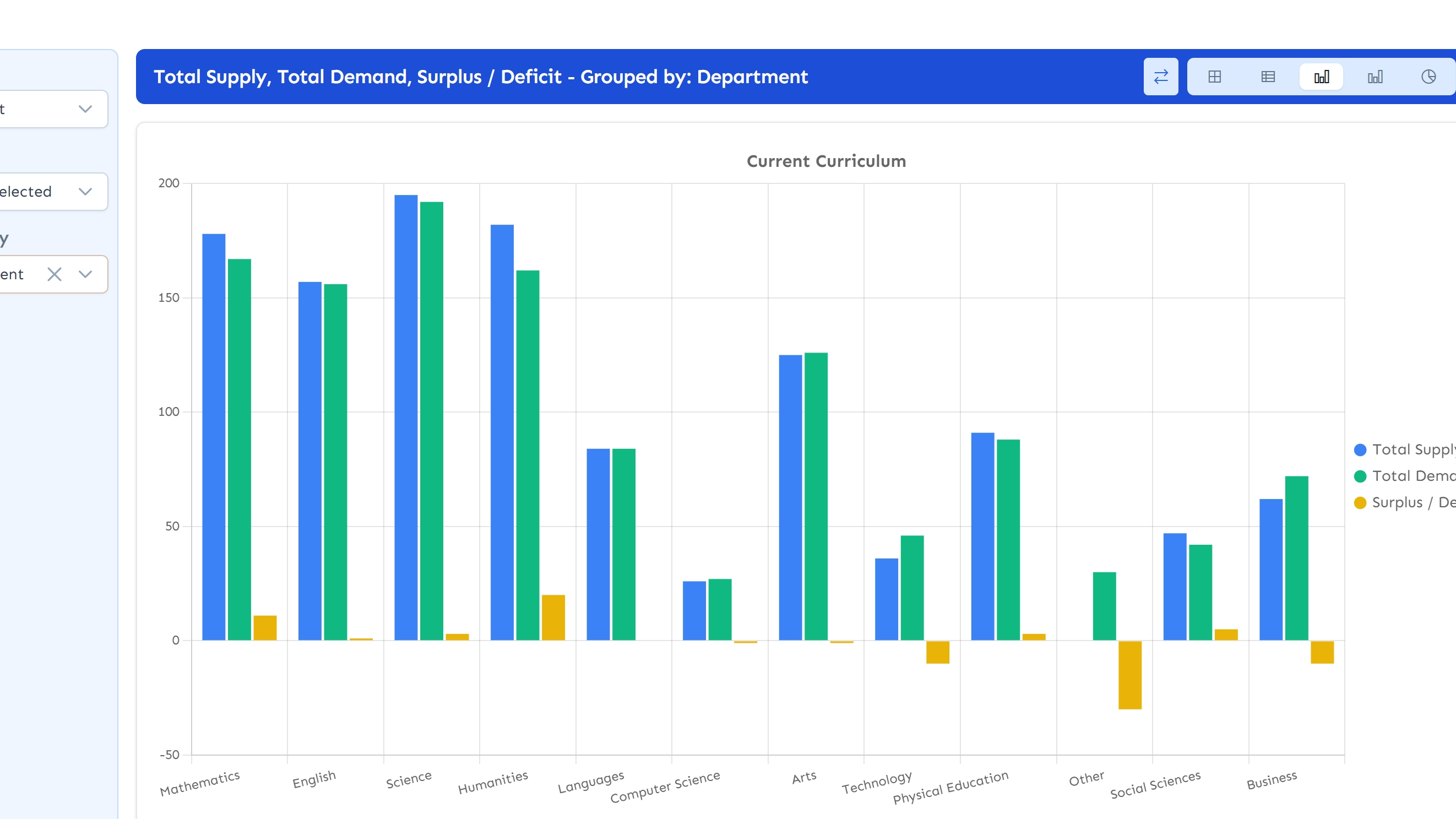
Integrated Curriculum Financial Planning - Balance staffing and curriculum, optimise budgets, and scenario plan.
See how WafflePlanner transforms school planning
Strategic curriculum and financial planning isn’t simply about balancing the books...
...it’s about creating the best possible learning opportunities in your schools.

WafflePlanner provides the clarity you need to make informed decisions, ensuring resources are used effectively to support exceptional teaching and learning.

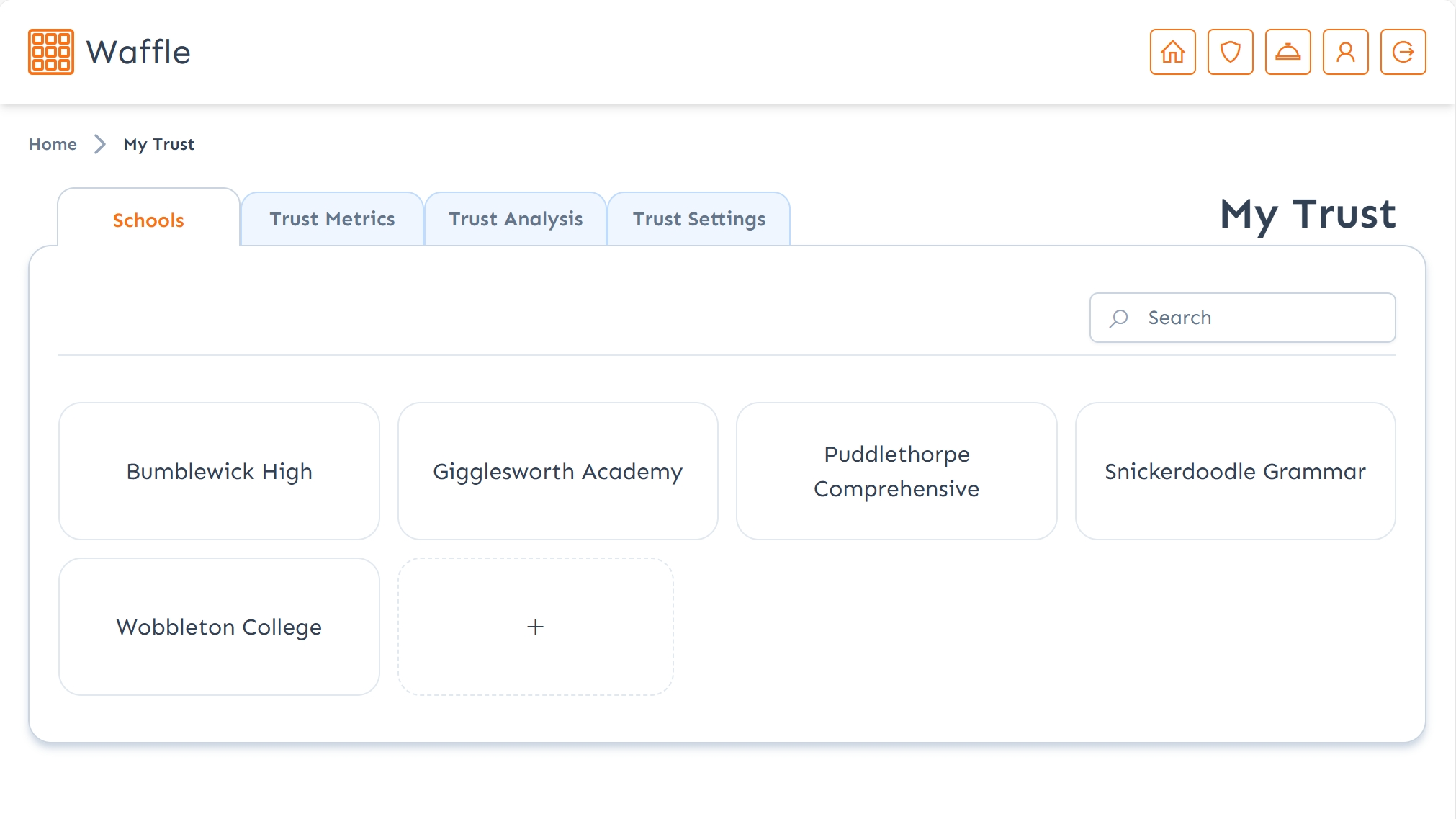
Explore the implications and interactions of different scenarios at both school and trust levels. Customize WafflePlanner to enter the data that matters most to you and tailor metrics to your unique requirements.

Curriculum and staffing decisions impact finances, educational outcomes and staff well-being. WafflePlanner aligns your financial and curriculum teams, enabling an effective decision-making process to find an optimal balance.

Key Features

All WafflePlanner's Features

Licences

Choose the plan that fits your school or trust.

Essential

Balance curriculum with staffing and track trust-wide metrics.

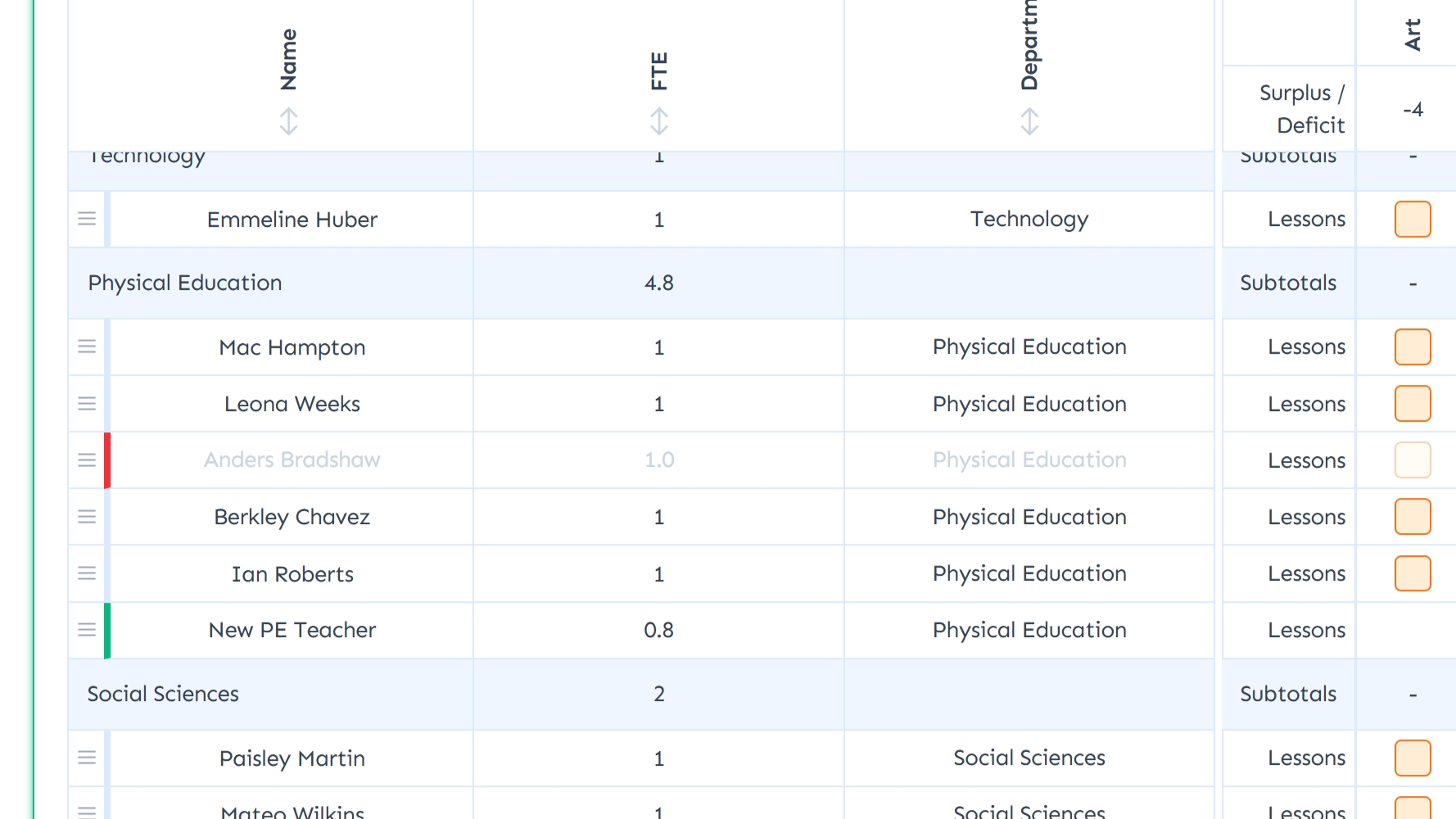
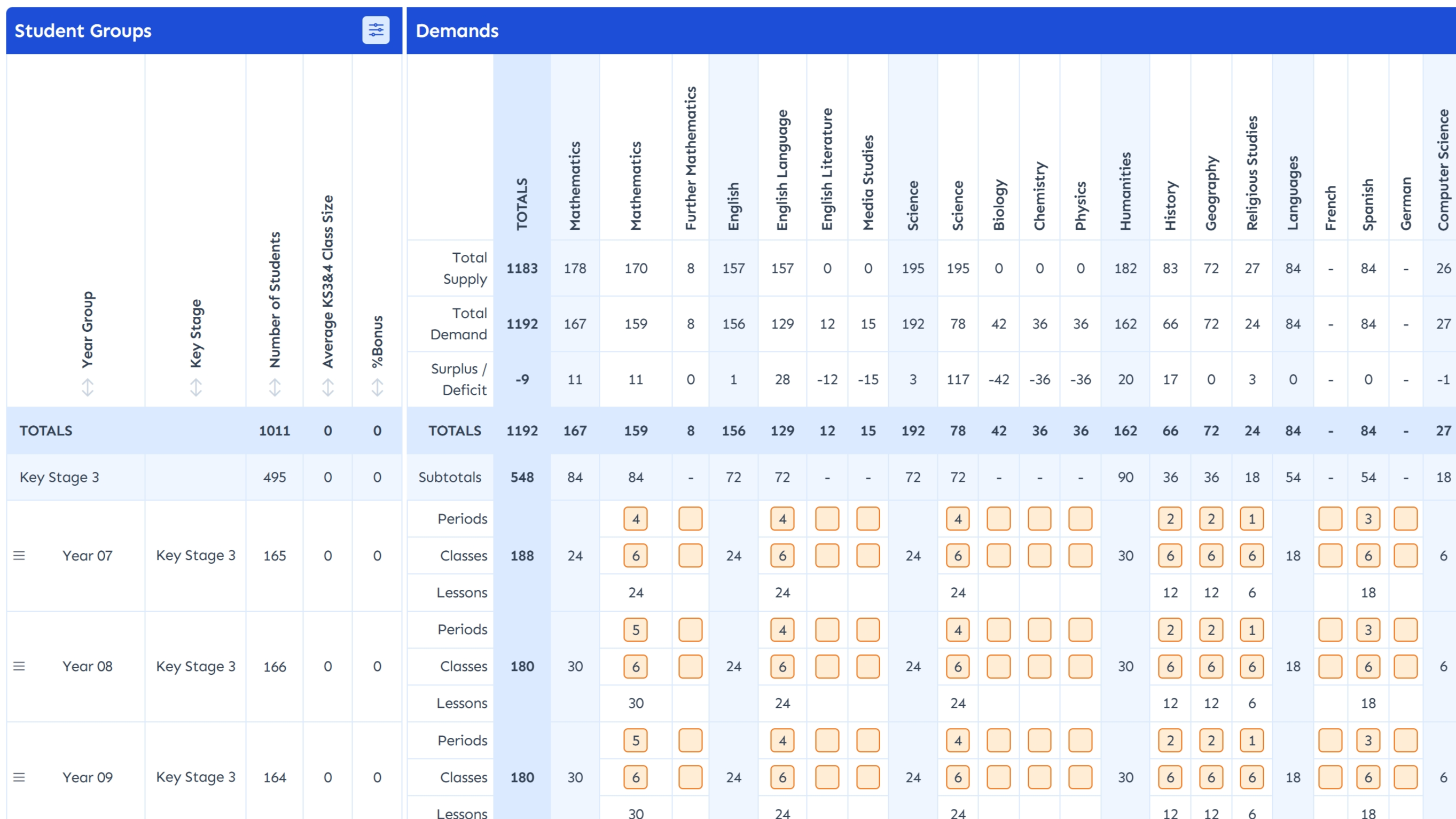
  • Balance curriculum with staffing
  • Identify surplus and gaps in staffing
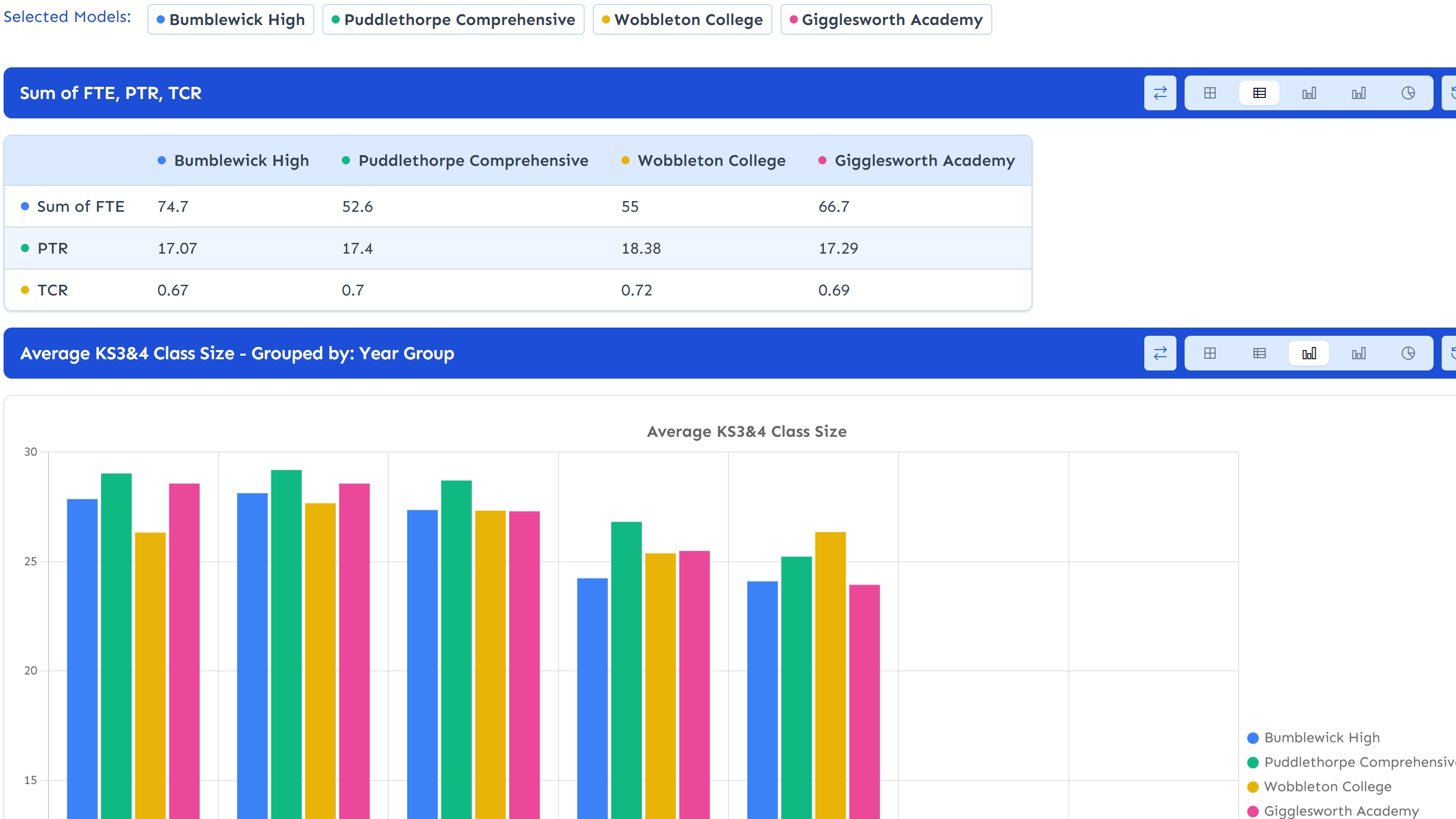
  • Trust metrics: Teacher Contact Ratios, Pupil Teacher Ratios, KS3&4 Average Class Size, and Bonu
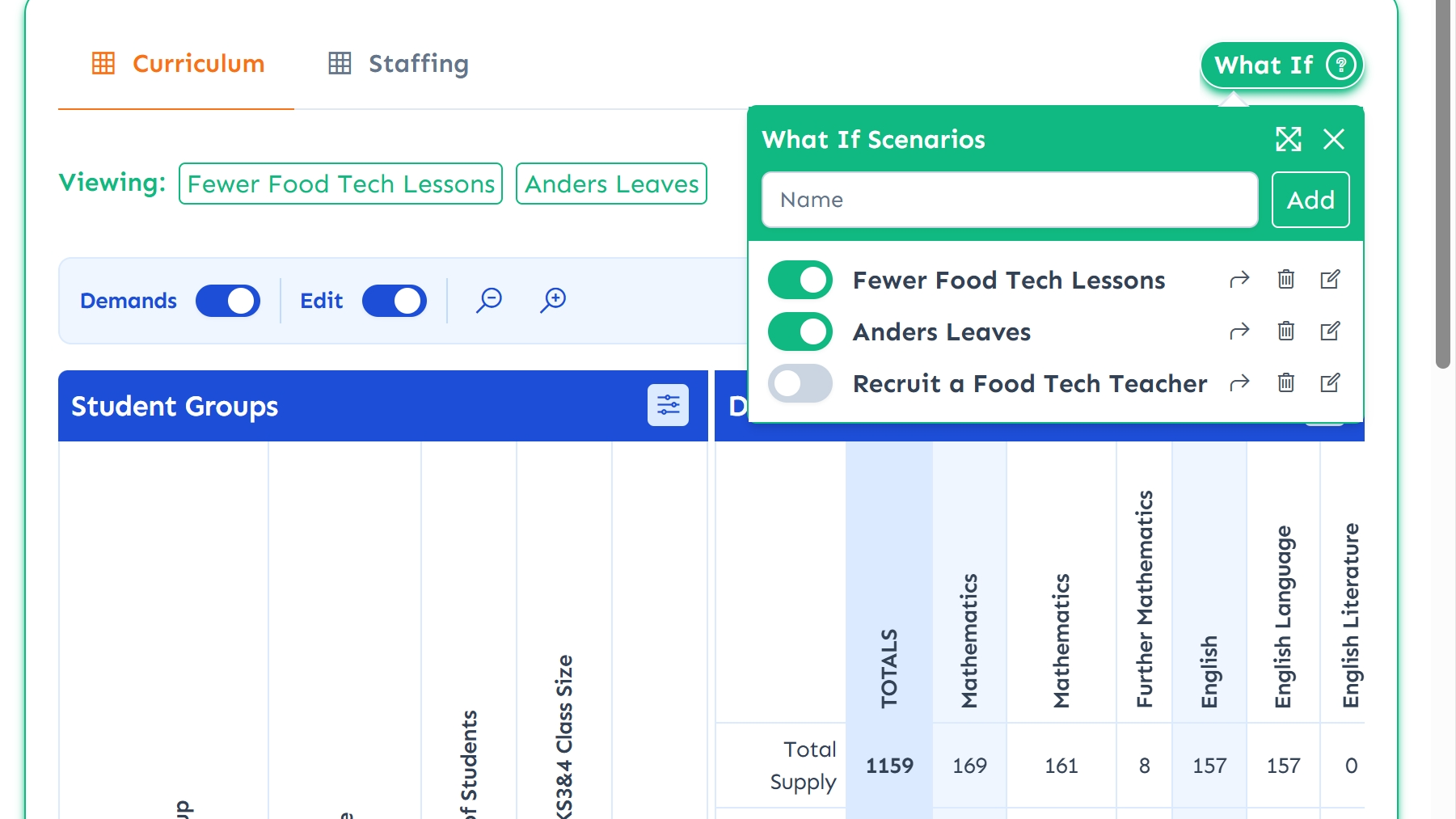
  • Scenario plan with "what ifs" i
  • Customize subjects and departments
  • Copy and paste data in from Excel
  • Export your models to Excel

Advanced

All in Essential, plus deep customization and analysis tools.

  • All in Essential
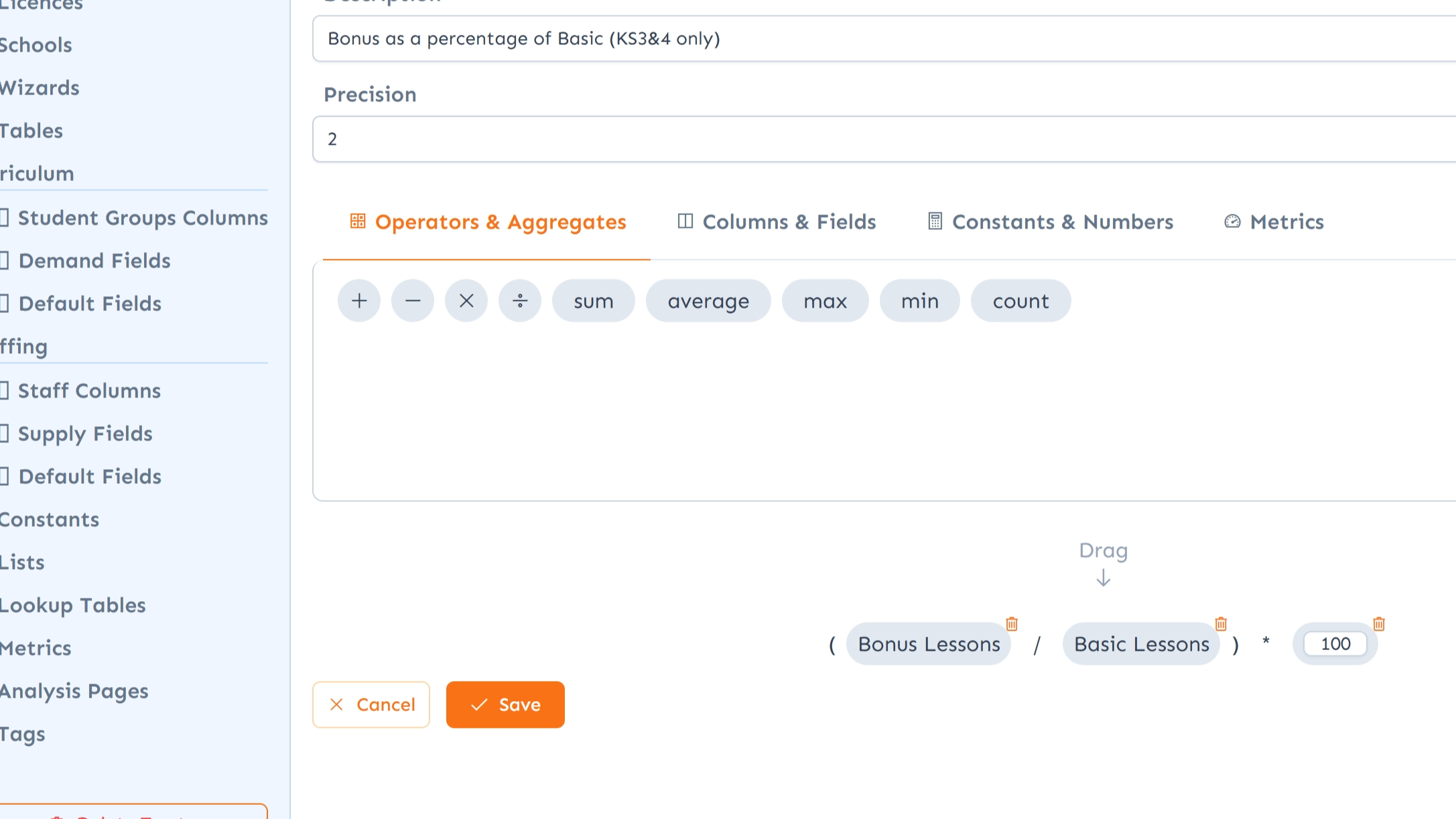
  • Customize the table to include your own fields/columns i
  • Add your own metrics and constants i
  • Add your own baselines
  • Add your own lists and look-up tables
  • Create your own analysis pages i
  • Run wizards of prebuilt customizations i

Ultimate

Maximum flexibility, integrations, and AI reporting.

  • Everything in Advanced
  • Create your own tables i
  • Integrate with the API for use with Power BI
  • AI reports (coming soon)

Contact Us

Want to ask a question or drop us a line? Fill out the form below and we’ll get back to you as soon as possible. Alternatively, if you want to book a demo then you can do that directly through our demo booking page.

Recent Articles

Re‑Thinking the Defaults

May 17th, 2026

State education operates at scale, relying on standardised structures to deliver learning to large numbers of pupils. While schools work hard to personalise within these constraints, curricula, timetables, and staffing models often vary less than we assume. Integrated Curriculum Financial Planning, supported by tools like WafflePlanner, creates space to question whether some of our long‑held defaults are genuine constraints — or simply untested assumptions.

Why Good ICFP Is Good for Staff Welfare

May 10th, 2026

Staff wellbeing is shaped every day by decisions about staffing, timetables, and responsibilities. When Integrated Curriculum Financial Planning is done well, it naturally reduces pressure by aligning curriculum need with fair, sustainable staff deployment. This article explores how good ICFP leads to better timetables, fairer workloads, and healthier working environments for staff.

Beyond Teaching Hours: What Else Can ICFP Measure?

May 3rd, 2026

Most trusts begin Integrated Curriculum Financial Planning by examining teaching staff, teaching hours, and lesson delivery — an essential starting point for understanding affordability and sustainability. As ICFP matures, however, it becomes clear that schools are more than timetables alone. They are complex systems of roles, responsibilities, time, and resources, and ICFP can evolve into a strategic framework for understanding how the whole organisation operates. The key question then becomes not whether ICFP can measure more, but what it is most valuable to model next.

Why ICFP Must Be an Ongoing Process — Not a Year‑End Exercise

April 26th, 2026

Integrated Curriculum Financial Planning (ICFP) is sometimes misunderstood as a final check at the end of the budget cycle. A set of metrics to complete once staffing decisions have been made and financial plans signed off.

In reality, this is where many trusts go wrong.

ICFP is not most powerful after decisions are made — it is most effective while those decisions are being shaped. When embedded alongside curriculum and staffing planning, ICFP becomes a living process that strengthens decision‑making, reduces risk, and improves long‑term sustainability.

All Articles